


Ravio updatesBenchmarking
Ravio partners with Comp to bring you trusted Brazil benchmarks
Ravio has partnered with Comp to bring trusted Brazil benchmarks directly into the Ravio platform.

Despite its longstanding brand reputation, Radford’s compensation data is often outdated by the time it reaches you — a key reason many companies look for Radford alternatives.
Manual survey submissions, part of Radford’s give-to-get model, also add extra work to your plate and increase the risk of human error, leading to inaccurate insights.
Then there’s the eyebrow-raising cost per dataset (especially if you need multiple locations) and the additional spend on separate tools to manage other compensation processes.
No wonder you’re exploring Radford alternatives.
To help, we reviewed the market to find the best Radford alternatives in 2026 — comparing 11 compensation management providers side-by-side with Radford.
Whether you’re choosing your first benchmarking provider, switching from Radford, or looking to supplement its data, you’ll see how each provider stacks up in data coverage and compensation management features so you can select one that best fits your organisational needs.
Radford is the HR arm of the global consultancy firm Aon. It’s a consultancy firm first, and a compensation management software provider second — offering three main services:
Since Radford is primarily a consultancy, its experts help companies design and implement strategic HR and compensation projects across 6 key areas:
Radford sells salary survey datasets, a compilation of compensation data (base salary, equity, variable pay, and benefits) gathered by Radford through a large-scale survey, typically conducted once per year.
Historically, the data has been delivered in the form of spreadsheets like this one:
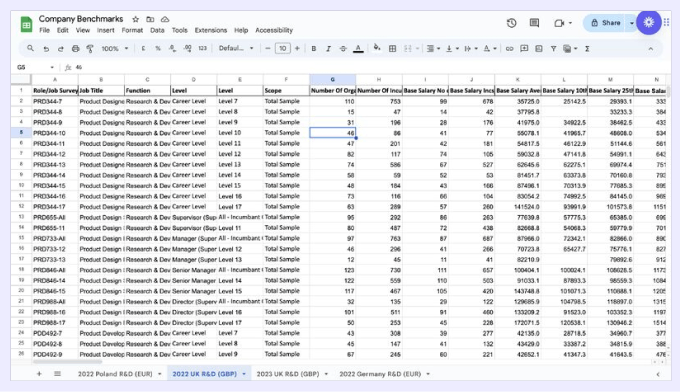
Today though, you can also view and analyse data in their online software, The Radford Platform, which gives you access to benchmarking data and job architecture and levelling results.
Radford’s compensation database also includes ‘market practice studies’. Like salary surveys, these are findings from Radford surveys on global companies’ reward practices — helping People Teams shape their approach across different areas.
Radford currently has 6 live market practice studies on the following areas of reward:
Whilst Radford has a strong reputation and offers broad data from the world’s largest organisations, the annual nature of its salary surveys means the benchmarking data is already outdated by the time it reaches you.
Below, we break down the key pros and cons of using Radford for compensation management in detail:
As of 2025, Radford has a 4-star G2 rating (based on four reviews).
The main benefits of using Radford for compensation management are:
The main downsides of using Radford for compensation management are:
You can choose from two broad Radford salary benchmarking alternatives:
This table gives you a quick comparative overview of all the Radford alternatives with a detailed review in the next section.
Compensation management software feature | Radford | Ravio | Payscale | Pave | Assemble | Lattice | Compa | Barley | Aeqium | Companalyst | Mercer, / WTW/ Korn Ferry |
|---|---|---|---|---|---|---|---|---|---|---|---|
Salary benchmarking data | Yes | Yes | Yes | Yes | Yes | Yes | Yes | Yes | No | Yes | Yes |
Equity benchmarking data | Yes | Yes | Yes | Yes | Yes | Yes | Yes | Yes | No | Yes | Yes |
Variable pay benchmarking data | Yes | Yes | Yes | Yes | No | Yes | No | Yes | No | Yes | Yes |
Benefits benchmarking data | Yes | Yes | Yes | Yes | No | Yes | No | Yes | No | Yes | Yes |
Talent market trends data | Yes | Yes | Yes | Yes | No | No | Yes | No | No | No | No |
Job architecture and levelling | Yes | Yes | No | Yes | Yes | No | No | No | No | No | Yes |
Salary bands | No | Yes | No | Yes | Yes | Yes | No | Yes | Yes | Yes | No |
Pay equity analysis | No | Yes | No | Yes | Yes | No | No | Yes | Yes | Yes | No |
Compensation review | No | No | No | Yes | Yes | Yes | No | Yes | Yes | Yes | No |
Consultancy services | Yes | No | Yes | No | No | No | No | No | No | No | Yes |
Geographic focus | Global | Global | US | Global (strongest for US & Canada) | US | N/a | US | N/a | N/a | US | Global |
Here are 11 of the strongest Radford alternatives, a mix of real-time benchmarking platforms, survey aggregators, and traditional consultancies.
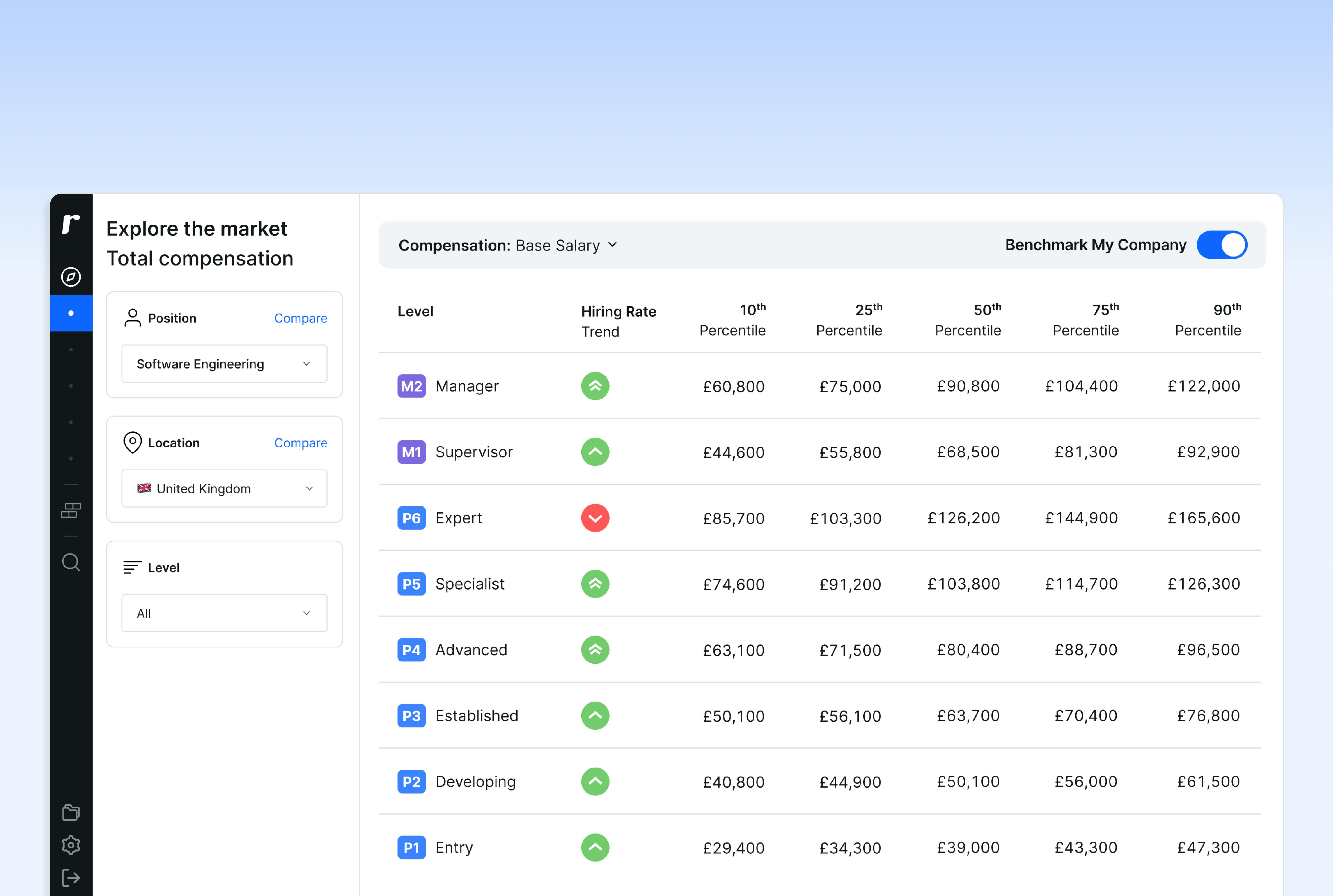
Ravio is a compensation management platform powered by reliable and real-time benchmarking data.
Ravio offers real-time compensation data and built-in compensation management — covering salary bands and pay equity — making it ideal for high-growth tech companies, particularly those with a strong presence in Europe.
Key features:
Radford vs Ravio:
Unlike Radford, a consultancy first and a compensation data provider second, Ravio is a modern real-time compensation management platform that pairs total rewards benchmarks with tools to build salary bands, analyse pay equity, and run end-to-end compensation reviews.
Key differences include:
“Access to Ravio's live market data with amazing visualisations means no more headaches from delayed data sets or having to age compensation data, which has been a real friction point for us in the past.

VP of People at Mollie
Payscale combines consulting services and aggregated benchmarking data with modern compensation management software — making it ideal for companies looking to consolidate multiple data sources and manage complex survey participation requirements in one platform.
Key features:
Radford vs Payscale:
Payscale combines third-party benchmarking data, consultancy services, and modern compensation management software — offering a broader but more complex product mix than Radford’s in-house annual surveys and consultancy services.
Key differences include:
Key features:
Radford vs Assemble
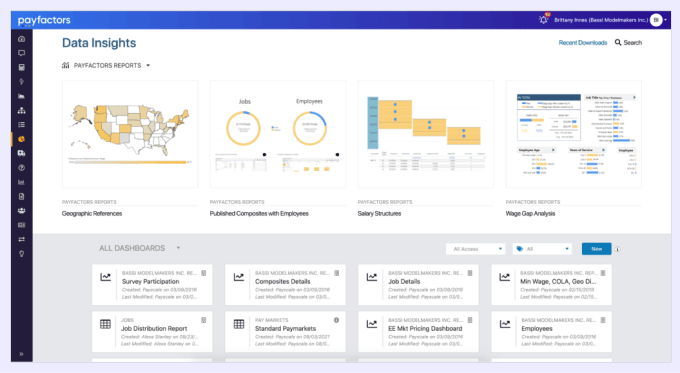
Assemble delivers an end-to-end compensation platform sourcing benchmarks via a private company equity provider, Carta, while Radford offers annual surveys for selling compensation data.
Key differences include:
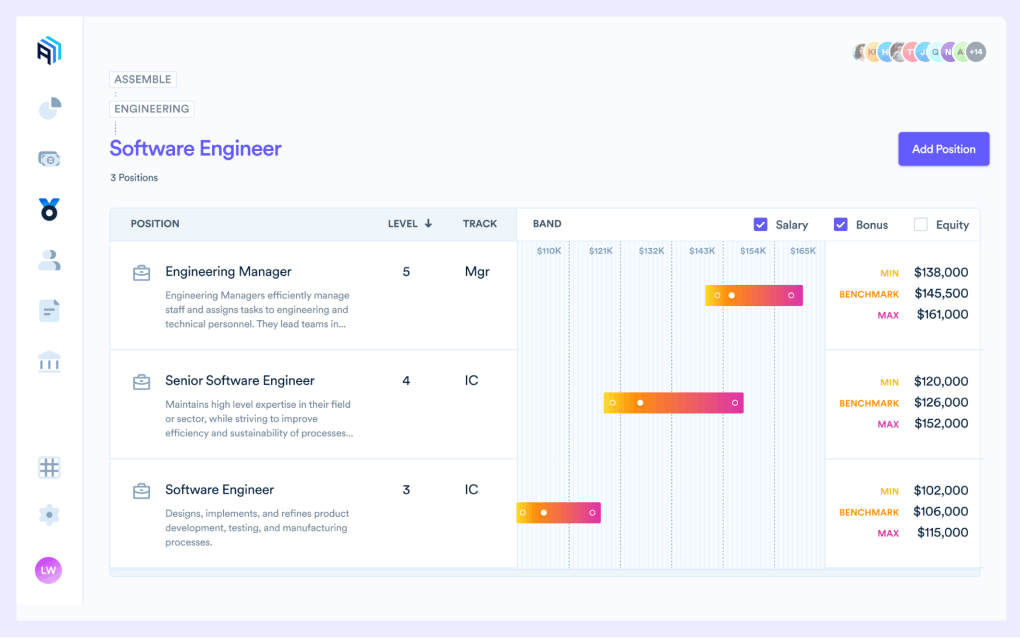
Pave is an end-to-end compensation management platform with real-time benchmarking via HRIS integrations — ideal for US-based tech startups and enterprises in the US and Canada.
Key features:
Radford vs Pave:
Where Pave is a modern, US-focused platform that pairs live benchmarking with compensation management tools, Radford is a consultancy selling survey-based benchmarking data.
Key differences include:
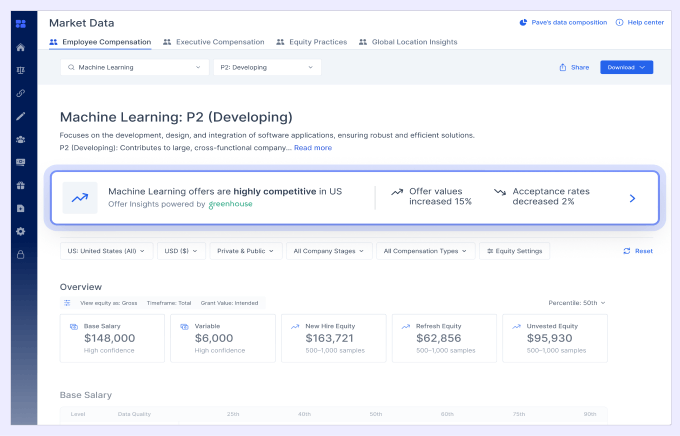
Lattice is primarily a people management platform that has expanded to offer compensation benchmarking via Mercer, a Radford-like survey provider — ideal for mid-market teams that need basic total compensation coverage within a broader people platform.
Key features
Radford vs Lattice:
Both Lattice and Radford give you salary benchmarking data — Lattice just offers it via a Mercer partnership, whereas, Radford offers proprietary survey data.
Key differences include:
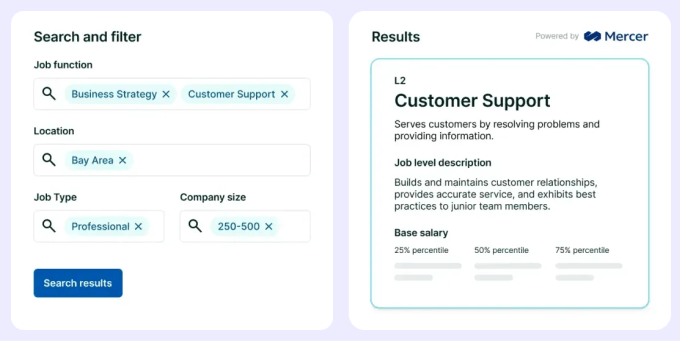
Compa (originally Compa Index) is an offers-based benchmarking tool — ideal for US enterprises in tech, life sciences, and retail that want to supplement traditional salary surveys with real-time offers data.
Key features:
Radford vs Compa:
Compared to Radford’s consultancy-led, survey-based benchmarking, Compa is a US-focused platform offering real-time offer data from ATS integrations though it lacks coverage for existing salaries and broader compensation management features.
Key differences include:
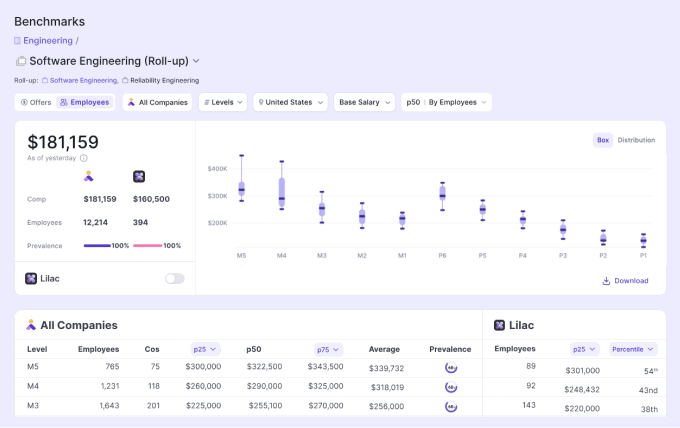
Barley is a compensation management platform using third-party benchmarking data from Mercer — ideal for small businesses in the US and Canada.
Key features:
Radford vs Barley:
Where Radford is a consultancy offering annual salary survey data, Barley packages similar Mercer-sourced survey data into a modern, end-to-end compensation management platform.
Key differences include:
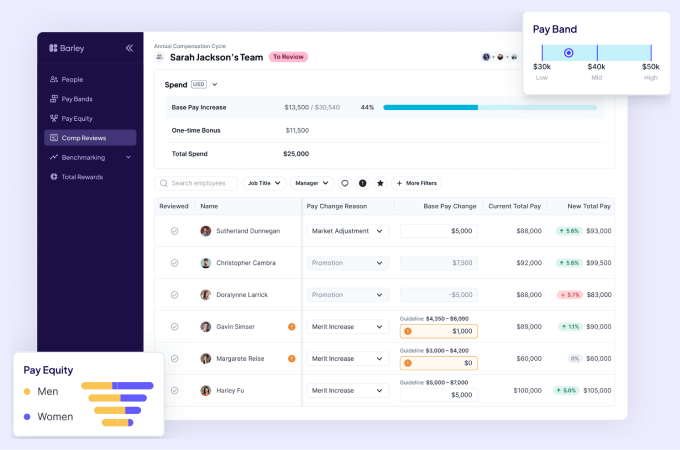
Aequim is a compensation planning and management platform that relies on user-provided benchmarking data — ideal for companies that already have reliable compensation benchmarks and want tools to operationalise them.
Key features:
Radford vs Aeqium:
While salary survey data is central to Radford’s offering, Aeqium is a compensation management platform that excludes benchmarking — relying on users to import their own data.
Key differences include:
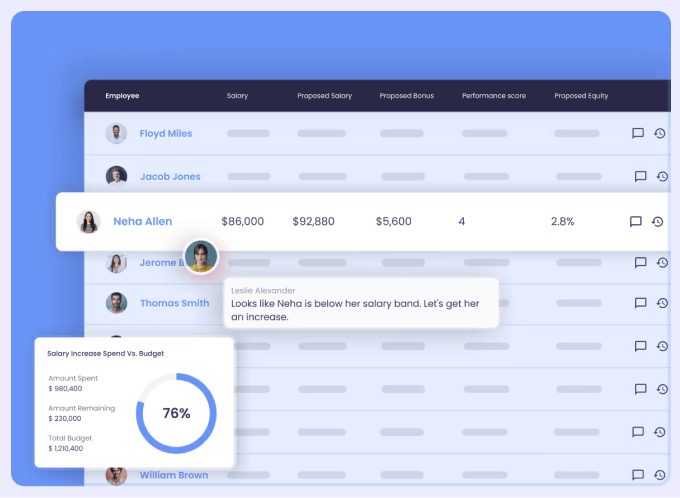
CompAnalyst is a compensation management platform by Salary.com that offers aggregated data from third-party compensation survey providers — ideal for US-based enterprises with complex compensation structures and the internal resources to manage implementation, rollouts, and training.
Key features:
Radford vs CompAnalyst:
Radford delivers global salary survey data and consultancy services. CompAnalyst combines aggregated survey data from multiple providers like Radford, with a full suite of compensation management tools.
Key differences include:
Like Radford, Brightmine (formerly XpertHR and Cendex) is a consultancy conducting surveys to gather compensation data — but focused on the UK market, making it ideal for companies seeking UK-specific compensation benchmarks only.
Key features:
Radford vs Brightmine:
Both Radford and Brightmine are consultancy-led, survey-based providers — Radford’s salary benchmarks are global, while Brightmine’s are UK-focused.
Key differences include:
In addition to the compensation management software we’ve explored, there are also other Radford alternatives in the form of traditional HR consultancy providers.
The three main consultancy provider Radford alternatives are:
All of them offer essentially the same services as Radford – compensation consultancy for the design and implementation of strategic projects, and benchmarking data via compensation surveys (delivered through spreadsheets or online platforms e.g. Korn Ferry Pay).
They, therefore, also have very similar upsides (brand trust, large global dataset, consultancy services) and limitations (inaccurate and outdated data, complex taxonomies, expensive, limited features) to Radford.
*All information in this article is based on the most up-to-date information available at the time of publication, sourced from the websites of all companies included.
When choosing an alternative to Radford compensation, consider the following internal factors:
Once you’ve evaluated your organisational needs, consider the following external factors:
In most cases today, Radford is no longer the best choice for compensation benchmarking and management.
While it’s a trusted brand that many stakeholders know, its survey data can be inaccurate, heavily manual to manage, and outdated by the time it reaches you. Not to mention, it barely offers any built-in compensation management tools to put all the benchmarking data to use.
Today, Radford alternatives like Ravio and other providers make up for traditional salary survey data shortcomings — offering accurate, up-to-date benchmarks combined with full compensation management platforms.
Traditional salary survey providers like Radford have been a trusted salary data source for a long time and so have built up a large and broad set of data.
But, as we've seen, they tend to lag behind the market – the nature of salary surveys means that it takes a while to compile survey responses and turn them into benchmarking data – which can especially be a challenge for tech companies who need to stay on top of market trends and emerging roles.
Real-time providers like Ravio provide a solution to this.
It's therefore becoming common for companies to use multiple salary data providers to validate the data, and ensure up-to-date data is available as and when it's needed.
Plus, different providers have different focuses in terms of locations, industries, company sizes, and so on. A traditional HR consultancy like Radford will have strong data for legacy industries and large enterprises, whereas a tool like Ravio is much stronger for the tech industry.l
That's exactly why Bolt chose to add Ravio as a salary data source, on top of their existing salary survey provider.
Although Radford doesn’t publish its survey pricing, users report Radford survey costs go upwards of £10,000 (over $13,000), with each country adding an additional layer of cost.
The best salary benchmarking tool meets your organisational needs — integrating with your HRIS systems and offering real-time salary and total rewards data. It should also offer strong data coverage tailored to your needs, whether that’s regional benchmarks or global market data, depending on your team’s structure and hiring footprint.
Because salary surveys are typically updated only once or twice a year and rely on manual submissions, their data is often outdated and prone to human error. They also tend to source information from large, legacy companies that may not match your size, stage, or region — making them a risky foundation for high-stakes compensation decisions in today’s fast-moving talent market.
Yes, Radford is the HR arm of Aon, a global consultancy firm. Aon offers three main compensation management services: compensation consulting, benchmarking data based on annual salary surveys, and market practice studies.
Ravio, Pave, and Assemble are strong real-time benchmarking alternatives to Radford. Other options include consultancy providers like Mercer, Willis Towers Watson, and Korn Ferry, as well as platforms like Aeqium and Payscale that aggregate data from multiple salary survey providers.
Your monthly dose of market insights and expert perspectives
Ravio has partnered with Comp to bring trusted Brazil benchmarks directly into the Ravio platform.
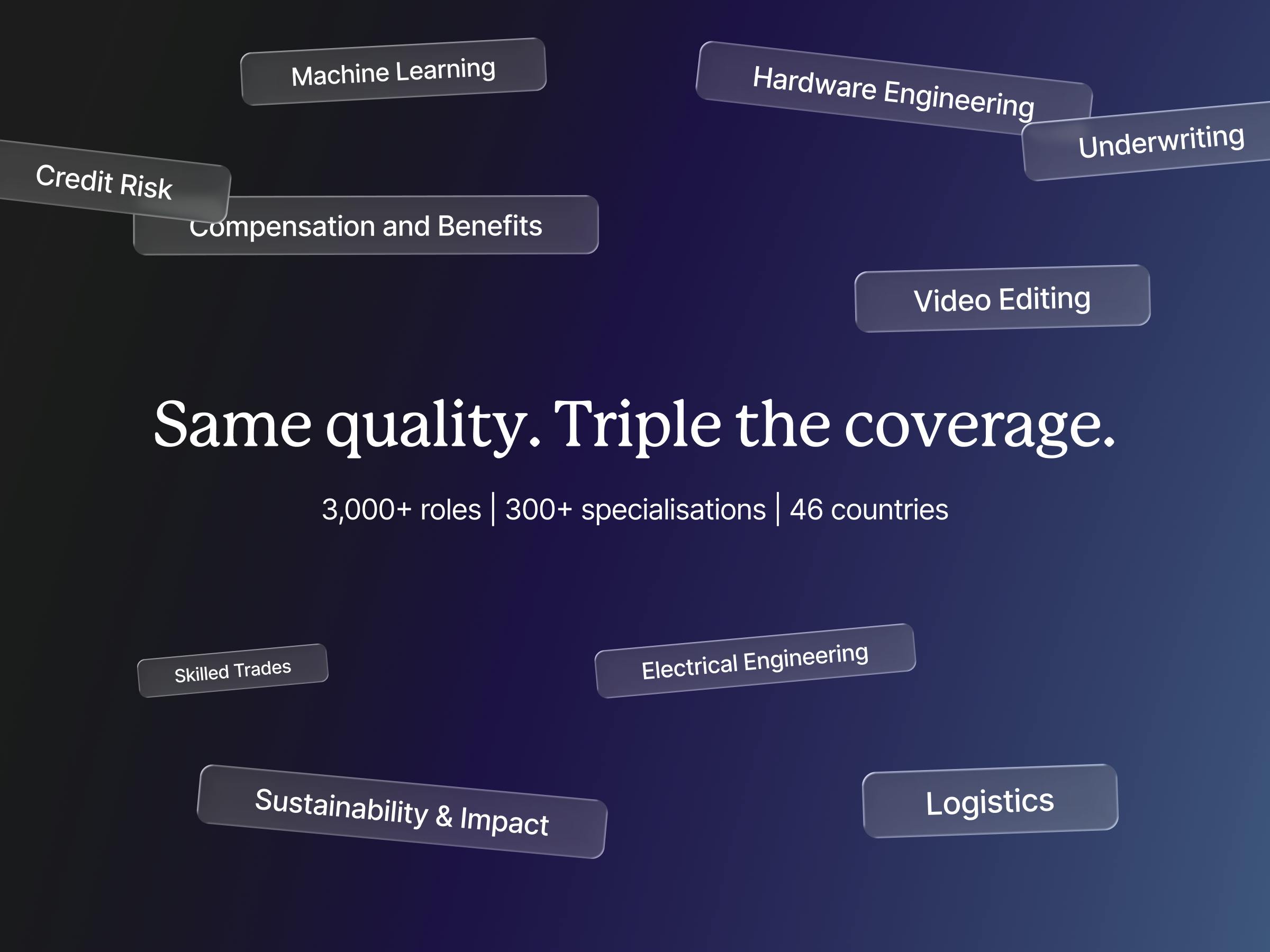
Ravio now benchmarks up to 300 positions in 46 countries. So you can hire the teams you need to scale

Every Ravio benchmark now shows exactly how it was built so you can explain your compensation decisions with clarity, not guesswork.